
Discover the The Science Behind the Wonder
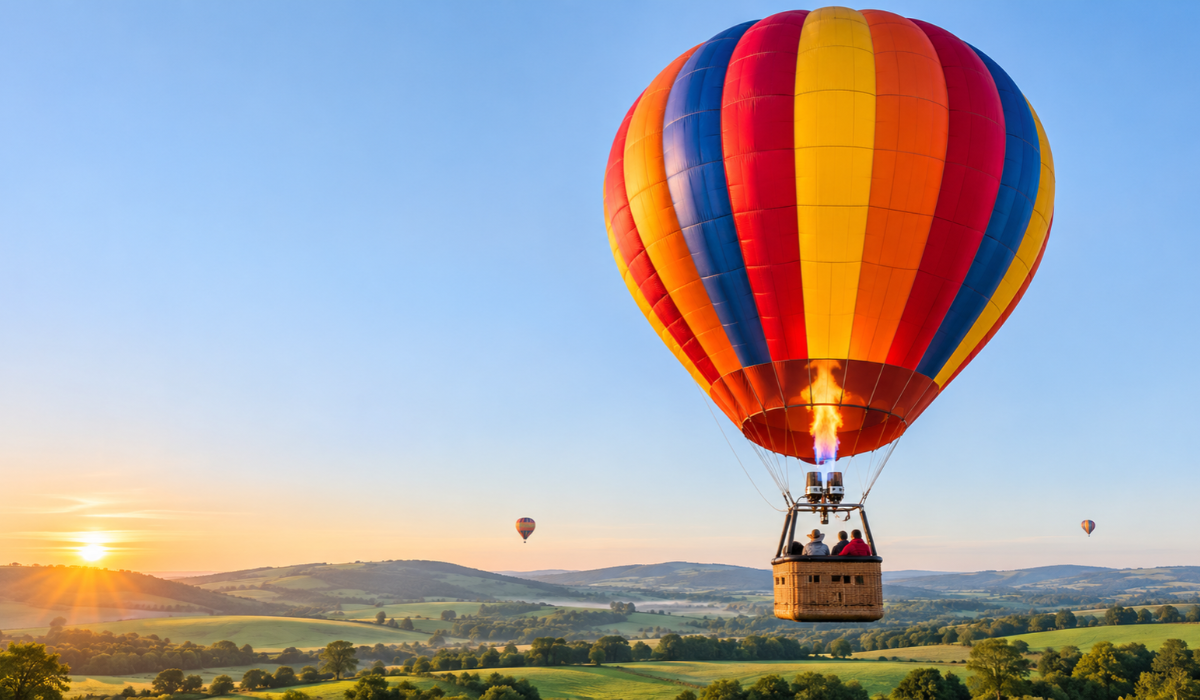
A hot air balloon looks almost impossibly simple floating across a morning sky. There are no wings or propellers—just a giant splash of color, a basket, and an occasional roar from the burner.
Watching one lift off, it is easy to wonder how all that fabric, equipment, and passenger weight can leave the ground.
The answer begins with heated air and buoyancy. But every beautiful flight also depends on planning, weather judgment, teamwork, and a pilot who knows how to work with the wind.
Why Does a Hot Air Balloon Rise?
Heating air makes it expand and become less dense. Inside a balloon’s open-bottomed envelope, that means a given volume of warm air weighs less than the same volume of cooler surrounding air.
The surrounding atmosphere provides an upward buoyant force. When that force exceeds the combined weight of the heated air, balloon equipment, fuel, and everyone aboard, the balloon can rise.
The burner supplies heat; it does not push the balloon upward like a rocket. Ordinary heated air provides the lift, so a conventional hot air balloon does not need helium.
The Three Main Parts
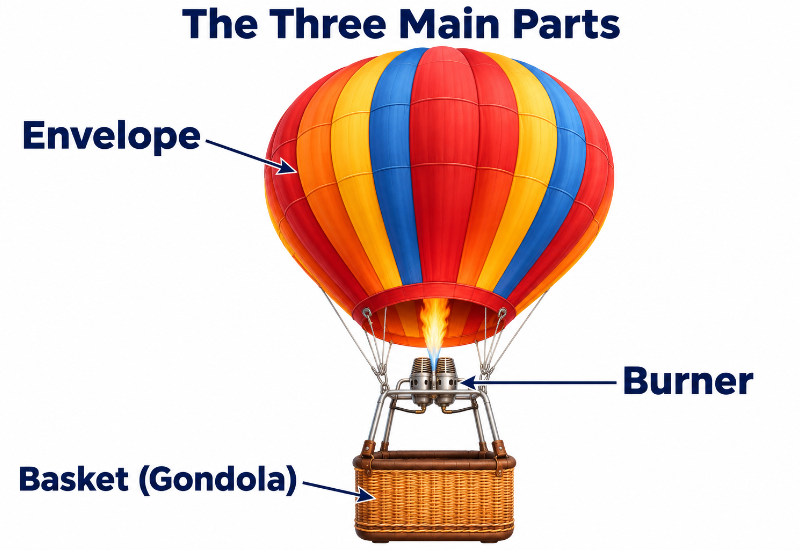
The envelope: is the colorful fabric structure. Strong, lightweight synthetic fabrics and reinforcing load tapes help it contain heated air and support the suspended load.
The burner: heats the air using propane carried in onboard tanks. Pilots operate it in bursts as needed.
The basket: also called a gondola, carries the people and equipment. Wicker remains common because it combines strength with flexibility.
Together, these parts form a working aircraft beneath all that color.
How Does a Balloon Get Ready to Fly?
Before the balloon ever stands upright, the pilot studies the weather and considers where the wind may carry the flight. A usable launch field needs suitable landing opportunities downwind.
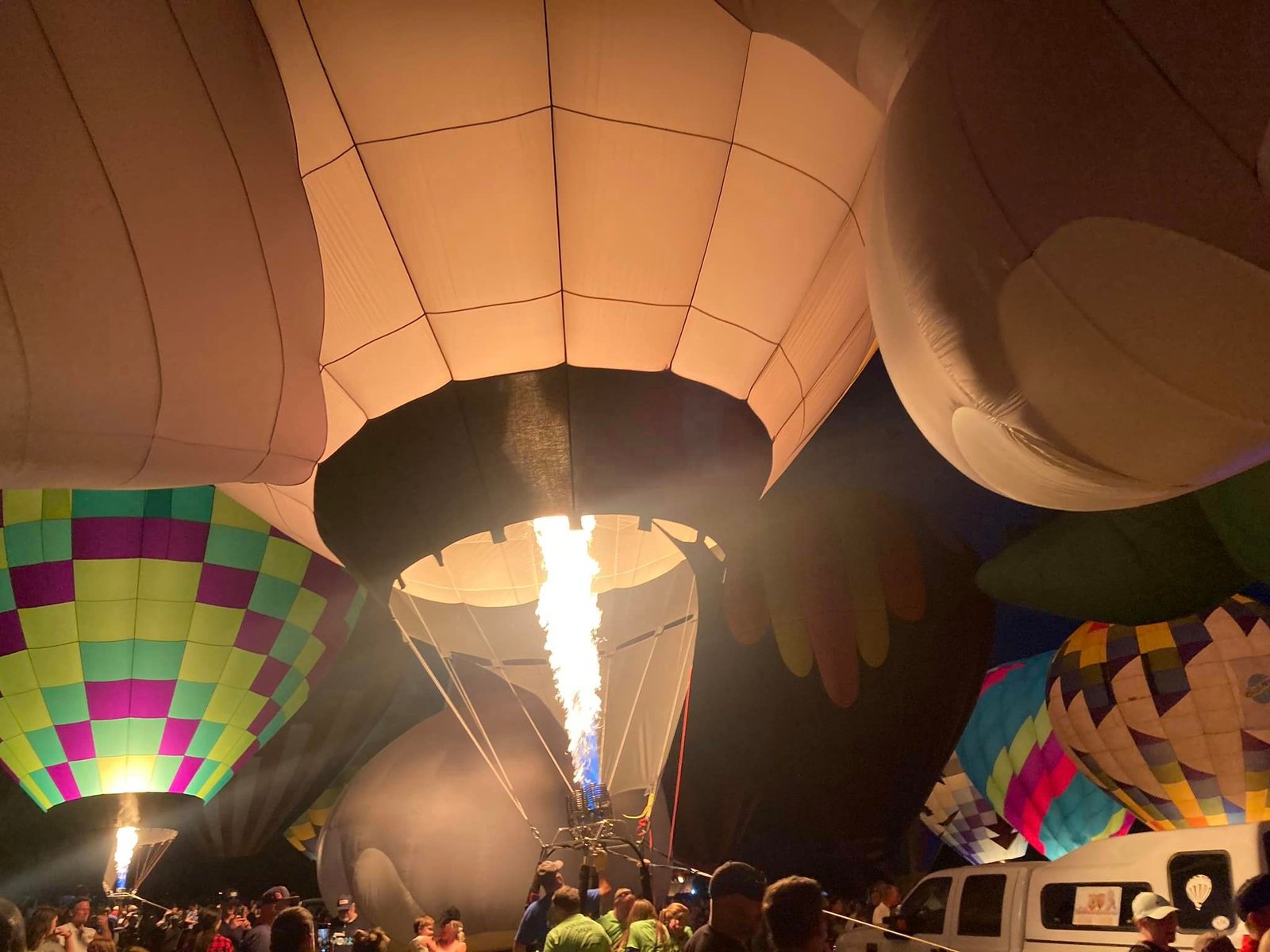
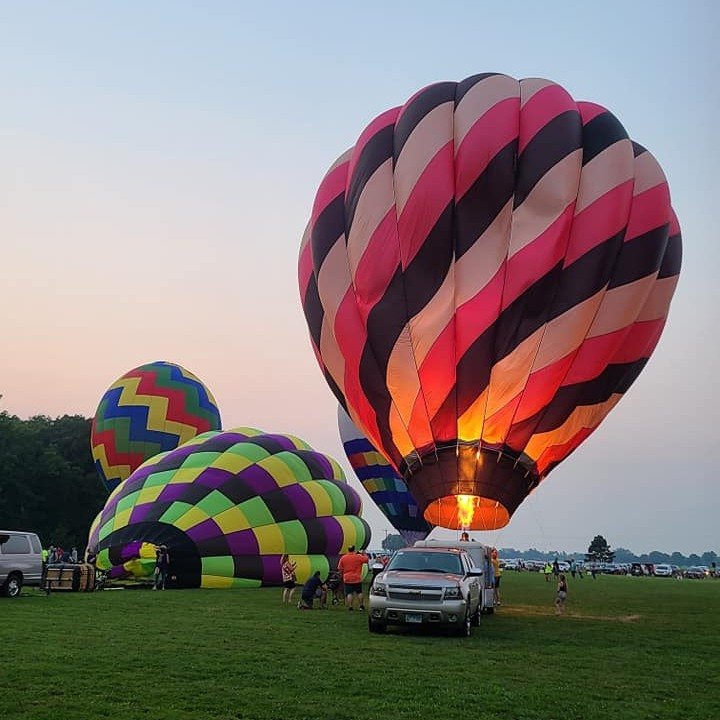
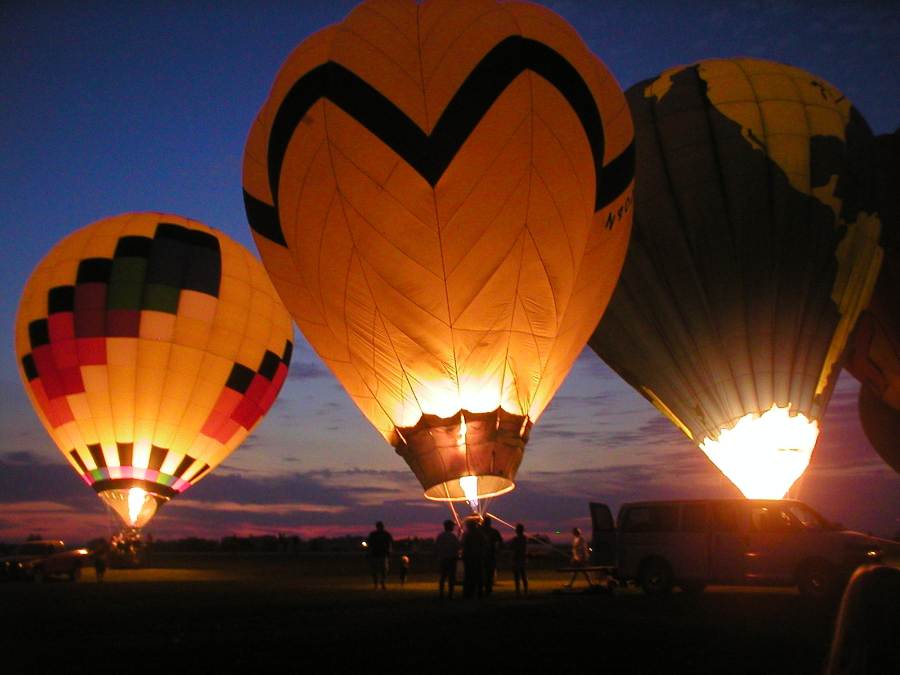
The crew lays out the envelope and prepares the basket and equipment. A large fan first blows unheated air into the fabric, giving it shape. Once conditions and preparation allow, the burner heats that air and the envelope begins to rise upright.
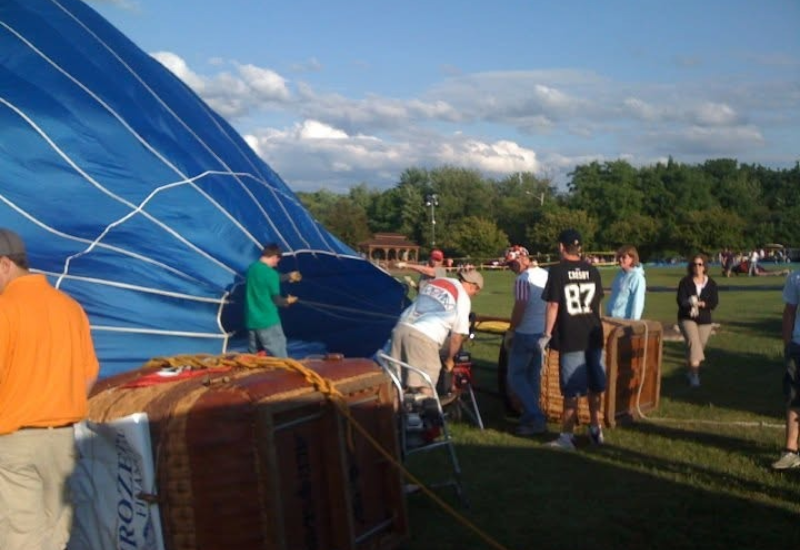
Watching this transformation is one of the best reasons to arrive early at a balloon festival. A bundle stretched across the grass becomes a towering aircraft, with crew members coordinating each stage.
Passengers also receive a briefing before departure. Launch is the visible moment; the preparation makes it possible.
How Do Pilots Control Height?
A pilot manages the balloon’s vertical movement by controlling heat. Adding heat can initiate a climb; allowing the air to cool can lead to descent. A vent can also release hot air when appropriate.
These changes take time. A balloon has considerable mass and momentum, so pilots anticipate its response instead of treating the burner like an instant up-and-down switch.
During flight, the pilot continually watches the balloon’s movement, surroundings, and available landing options. Even when passengers are enjoying a peaceful view, the pilot is actively managing the aircraft.
Can a Pilot Steer a Hot Air Balloon?
A balloon moves with the air around it. Its pilot cannot simply turn toward a chosen destination as a driver would turn a car.
However, wind can change speed and direction with height. By climbing or descending, the pilot may find a layer that carries the balloon along a more useful track.
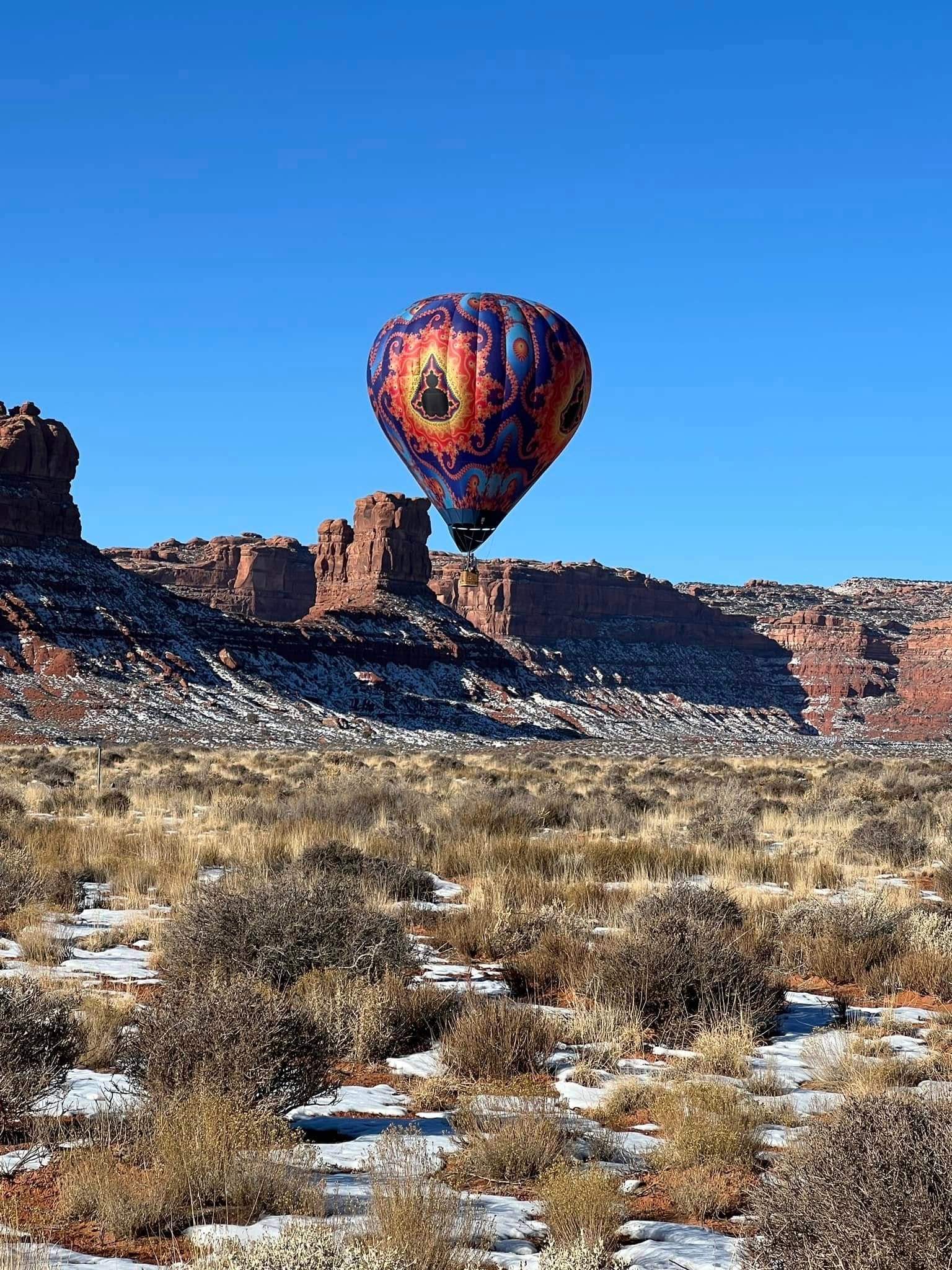
That makes navigation a combination of preparation, observation, and working with whatever wind layers are available. A helpful breeze is an opportunity, never a guaranteed route.
Some balloons can rotate their baskets using turning vents. Rotation changes which way passengers face; it does not let the balloon drive across the wind.
Why Are Flights Often Scheduled Around Sunrise?
Morning flights are popular because the atmosphere is often more stable before strong daytime heating develops.
As sunshine warms the ground, rising pockets of air called thermals can create turbulence. Wind conditions can also change as the day progresses.
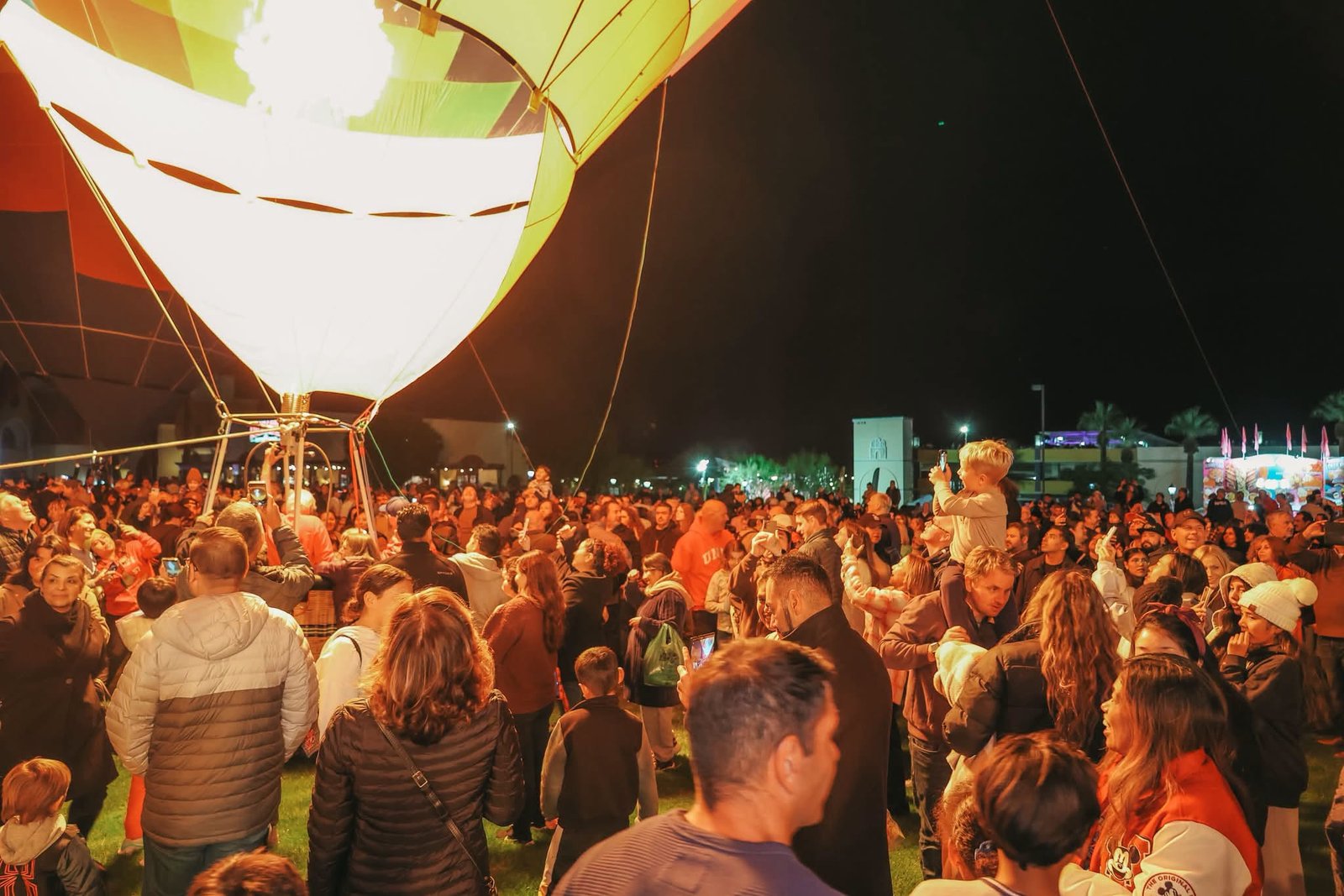
Late-afternoon or evening flights may be possible when conditions become suitable again. Local geography, season, and the day’s weather all matter; sunrise itself is no guarantee of a safe flight.
For festival visitors, that means an early alarm can be worthwhile—but a flexible schedule helps, too.
Why Can a Flight Be Canceled on a Beautiful Day?
Blue skies tell only part of the story.
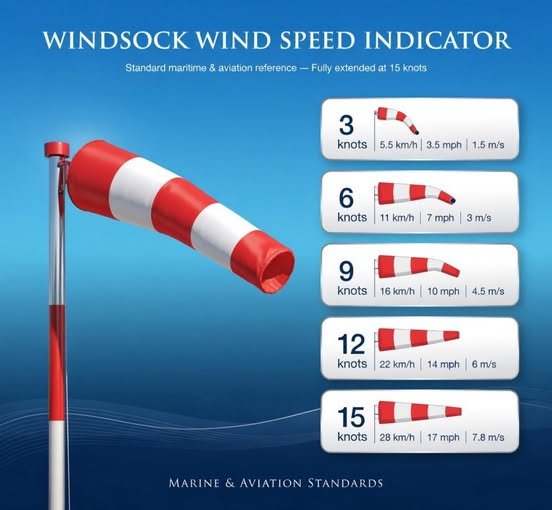
Winds higher up may be stronger than they appear at the launch field. Gusts, wind shear, nearby thunderstorms, poor visibility, or unsuitable conditions along the expected flight path can also affect the decision.
A pilot must consider launch, flight, and landing conditions together. A field that feels calm to a spectator may sit beneath an atmosphere that is unsuitable for ballooning.
When an announcement says “weather permitting,” it reflects the practical reality of flying an aircraft that travels with the wind.
How Does a Hot Air Balloon Land?
The pilot identifies a suitable landing area and manages the descent while assessing wind, terrain, and obstacles.
Passengers follow the landing position explained during their briefing and stay in the basket until instructed otherwise. Touchdown can include a bump or movement along the ground, depending on conditions.
The ground crew follows in a chase vehicle and helps with recovery. After landing and deflation, everyone can appreciate another side of ballooning: the teamwork needed to pack a very large aircraft back into a transportable bundle.
The flight ends somewhere downwind, rather than automatically returning to its launch field
A Flying Tradition That Began in 1783
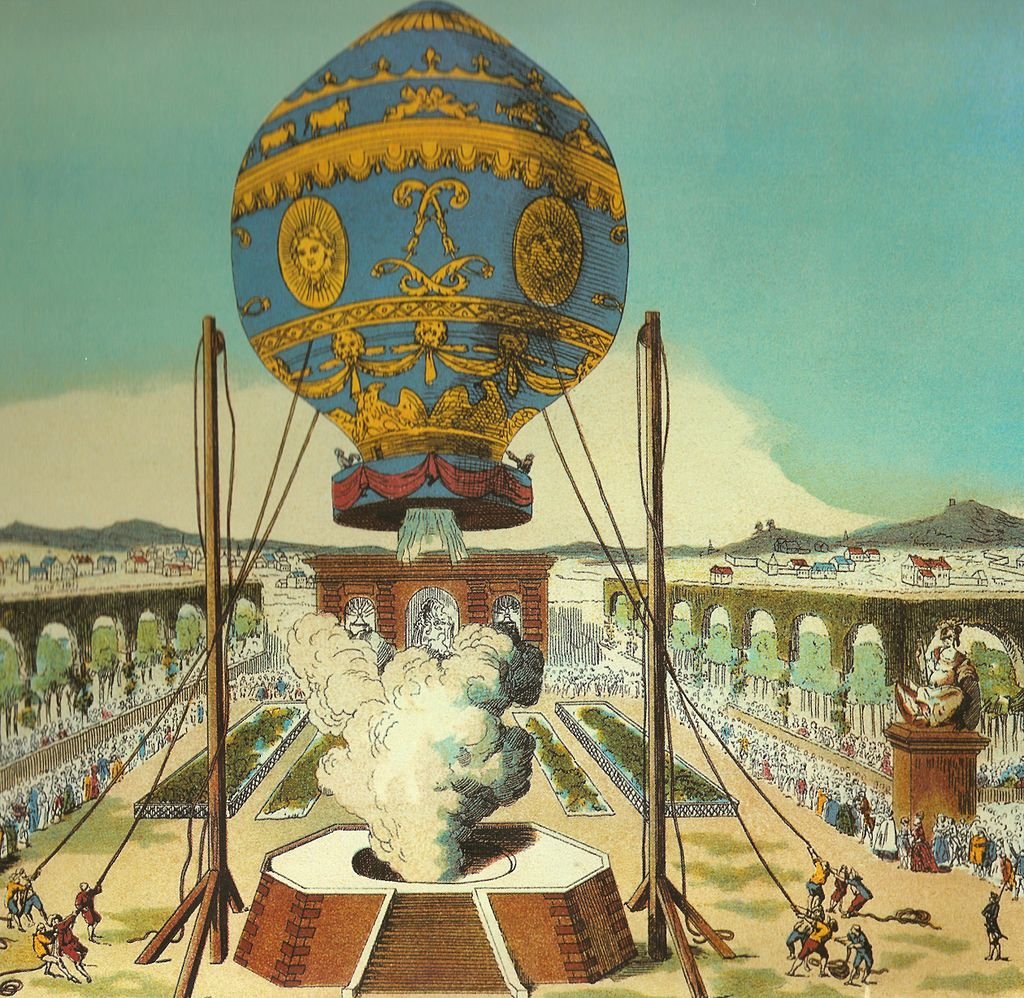
Long before airplanes, the Montgolfier brothers were experimenting with balloon flight in France.
On September 19, 1783, a sheep, a duck, and a rooster flew aboard their balloon at Versailles. All three survived. Later that year, on November 21, humans made the first untethered manned hot air balloon flight.
Today’s equipment is very different, but those early flights introduced an idea that still draws people outdoors to look skyward: heated air can carry a balloon and its passengers above the earth.
A Little Science Makes the Wonder Even Better
Knowing how a hot air balloon works gives you more to notice at your next festival. Watch the crew prepare the envelope, listen for the burner, and follow the balloon as its pilot searches for useful winds.
That quiet shape overhead represents more than a beautiful photograph. It brings together a simple physical principle, practiced judgment, and a team working toward a successful flight.
Whether you hope to take your first ride or prefer watching from the ground, there is something special about seeing the science become real.
Explore our balloon festival directory at Balloon Events Info, to find an event near you, and make plans to watch the next launch. Your next adventure might begin with an early alarm and a sky full of color.
Until we fly again.
BalloonEventsInfo.
Hot air balloons have always been a fascinating way to travel, and it’s no wonder that they’ve also inspired countless quotes and captions. So we leave you with this quote to enspire you to explore and dream.
“So let’s spend the afternoon in a cold hot air balloon.” Adam Young
0 Comments